

- 2026.09.19Update
New Karakami Installation Added to Our Work
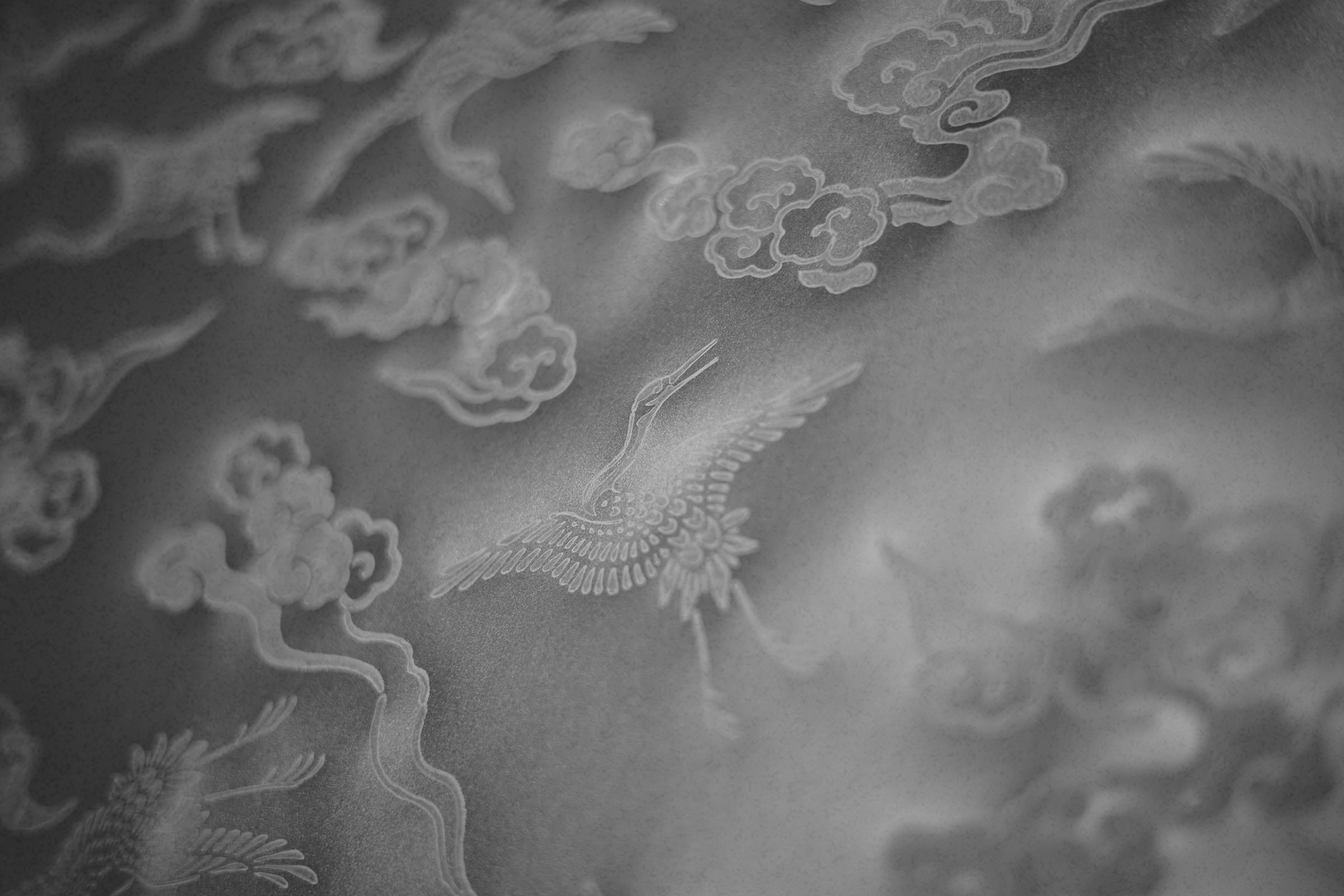
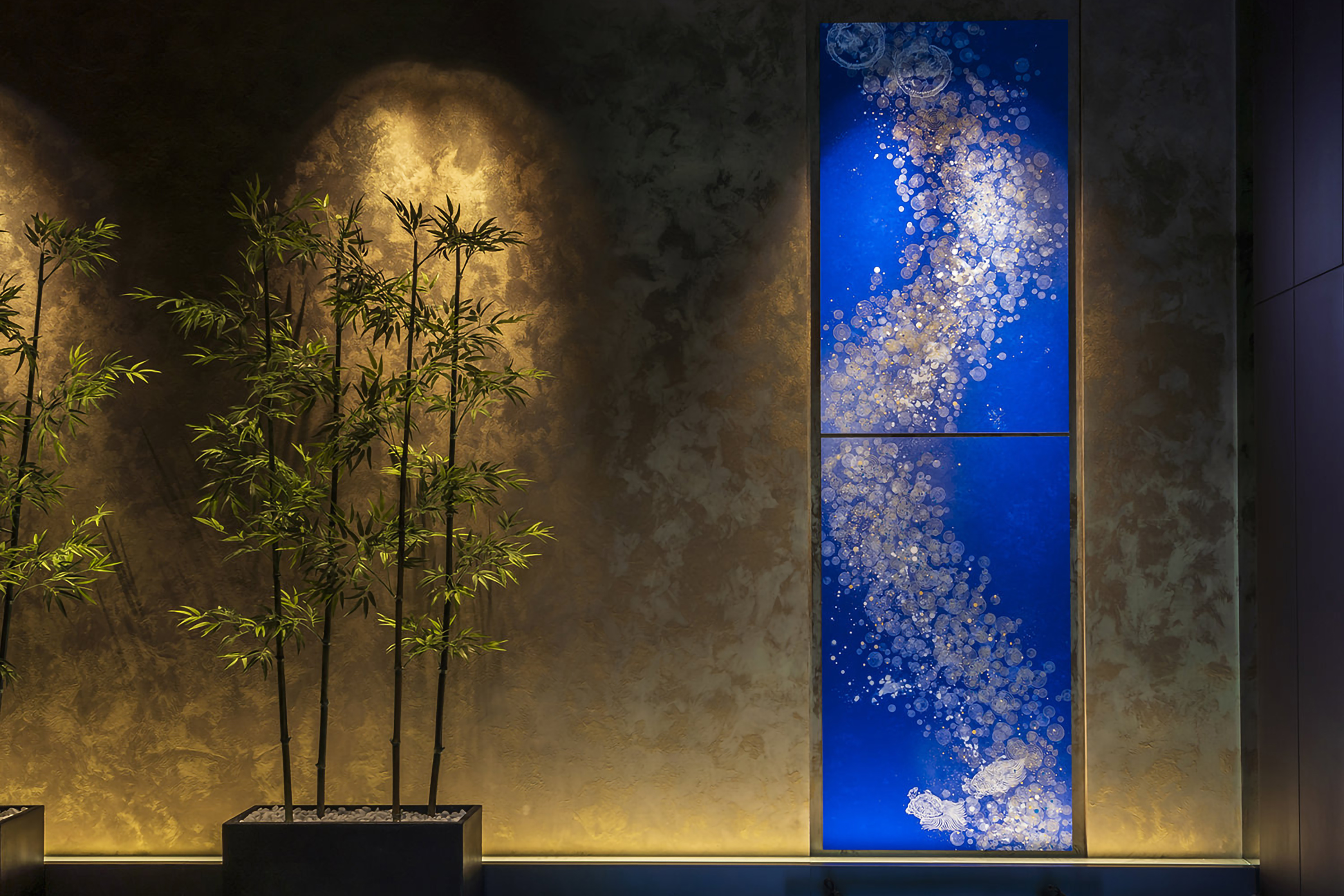
Images of the entrance artwork at the luxury hotel Espacio Nagoya Castle have been added to our Works page.
This extraordinary blue artwork embodies the profound, cosmic world of “Totoblue.” Commissioned by the hotel owner as a work symbolizing the concept of Espacio Nagoya Castle, it was created for the Phoenix Staircase at the entrance as a monumental 20-meter-long installation comprising five sets of four-panel folding screens.
Inspired by “Rin-Pō-Ki-Ryū” — the four sacred creatures of the qilin, phoenix, tortoise, and dragon — the work was created by Choemon Senda as an offering of prayer: for all who visit this place to find peace within their hearts, and for peace throughout the world.
- 2026.09.17Update
New Karakami Installations Added to Our Works
Images of the ART COLLECTION SIGNATURE by Choemon Senda suite at the luxury hotel Espacio Nagoya Castle have been added to our Works page.
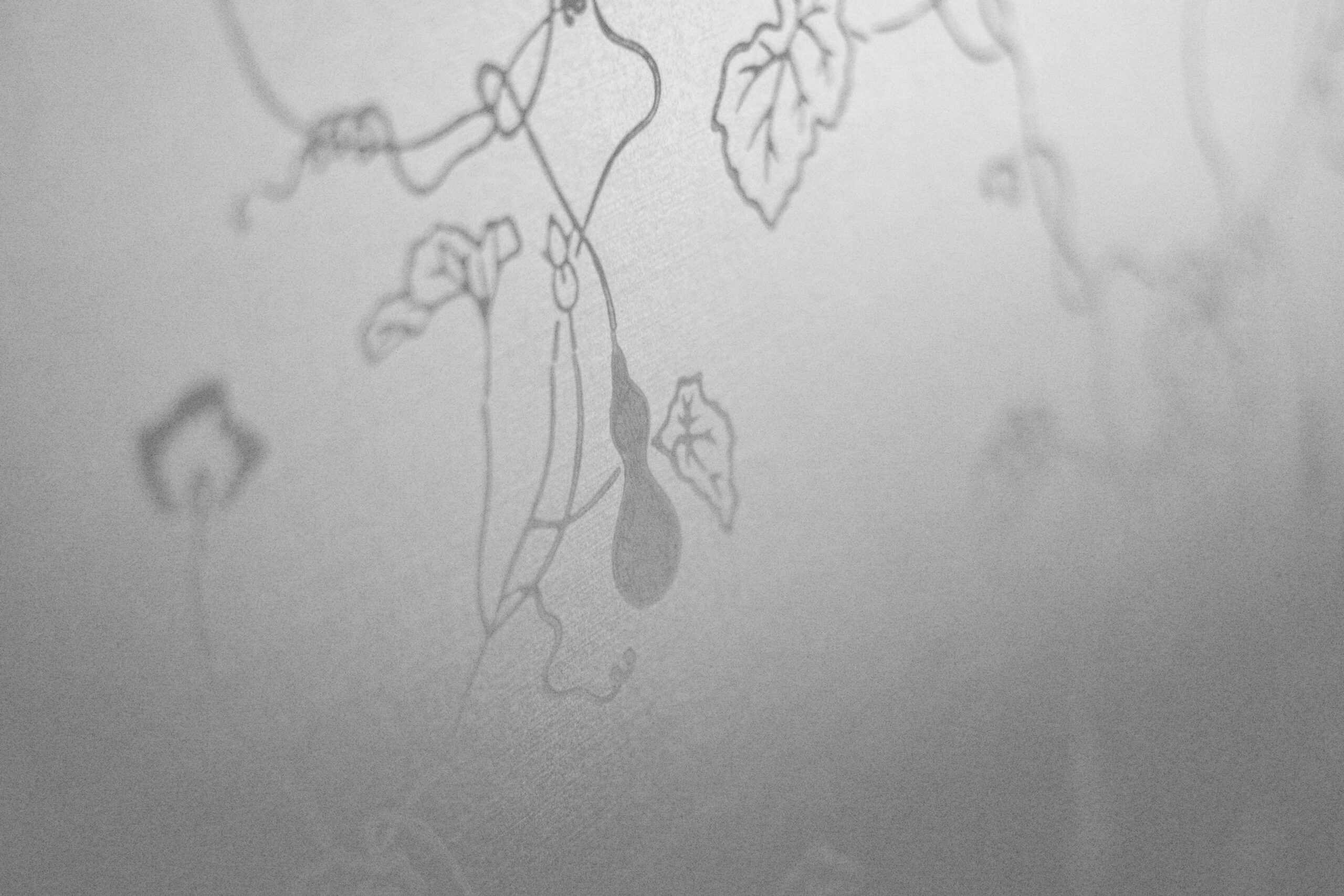
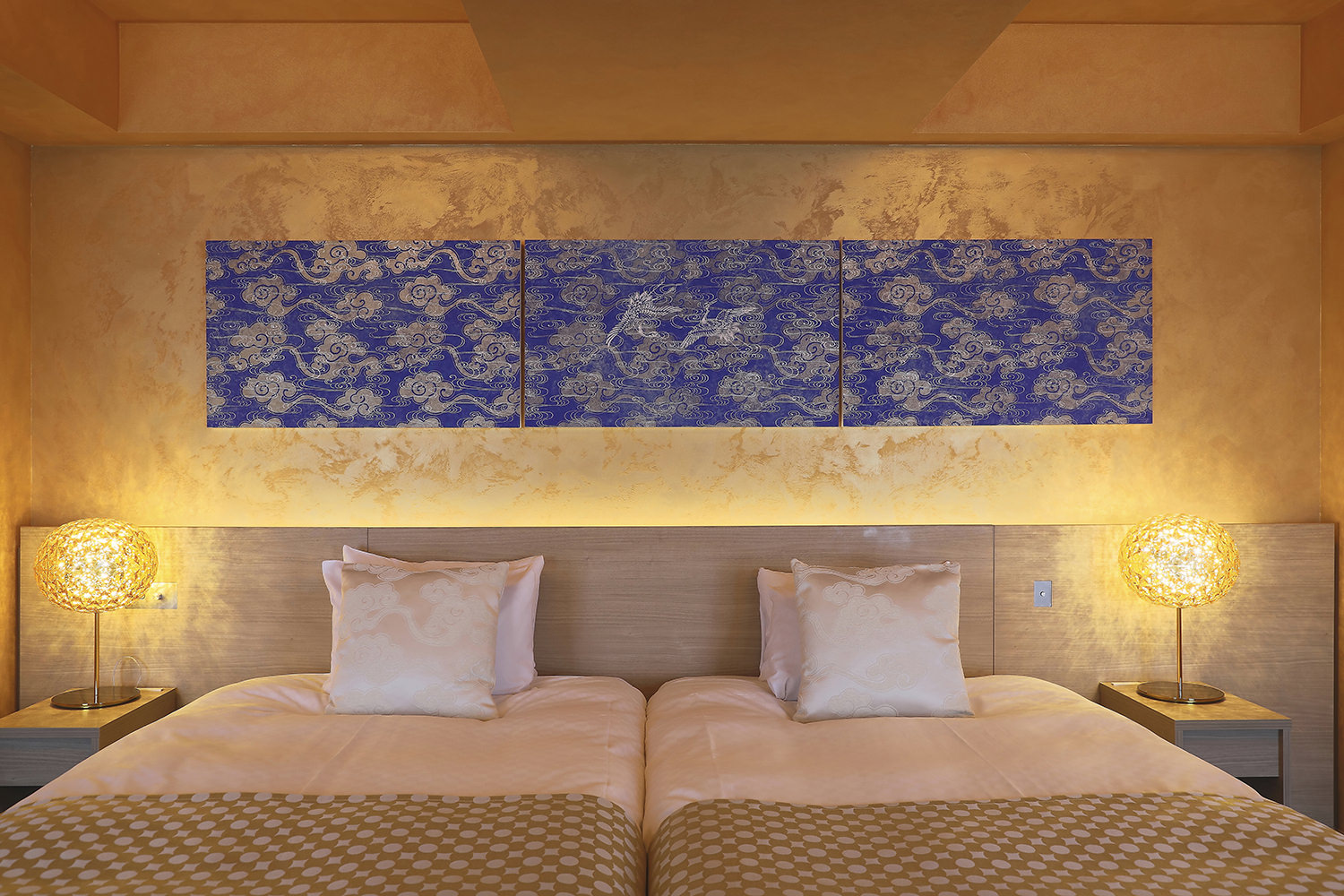
This exceptional space reflects Choemon Senda’s distinctive artistic vision throughout: “Red and White Plum Blossoms” unfolds across the living room wall, while the bedroom overlooking Nagoya Castle features “Yōgō” above the bed. Karakami adorned with peony patterns extends across the ceiling, completing a space where art, pattern, and interior architecture come together as one.
- 2026.08.31Update
New Karakami Installation Added to Our Works
Images of “Universal Symphony” have been added to our Works page.
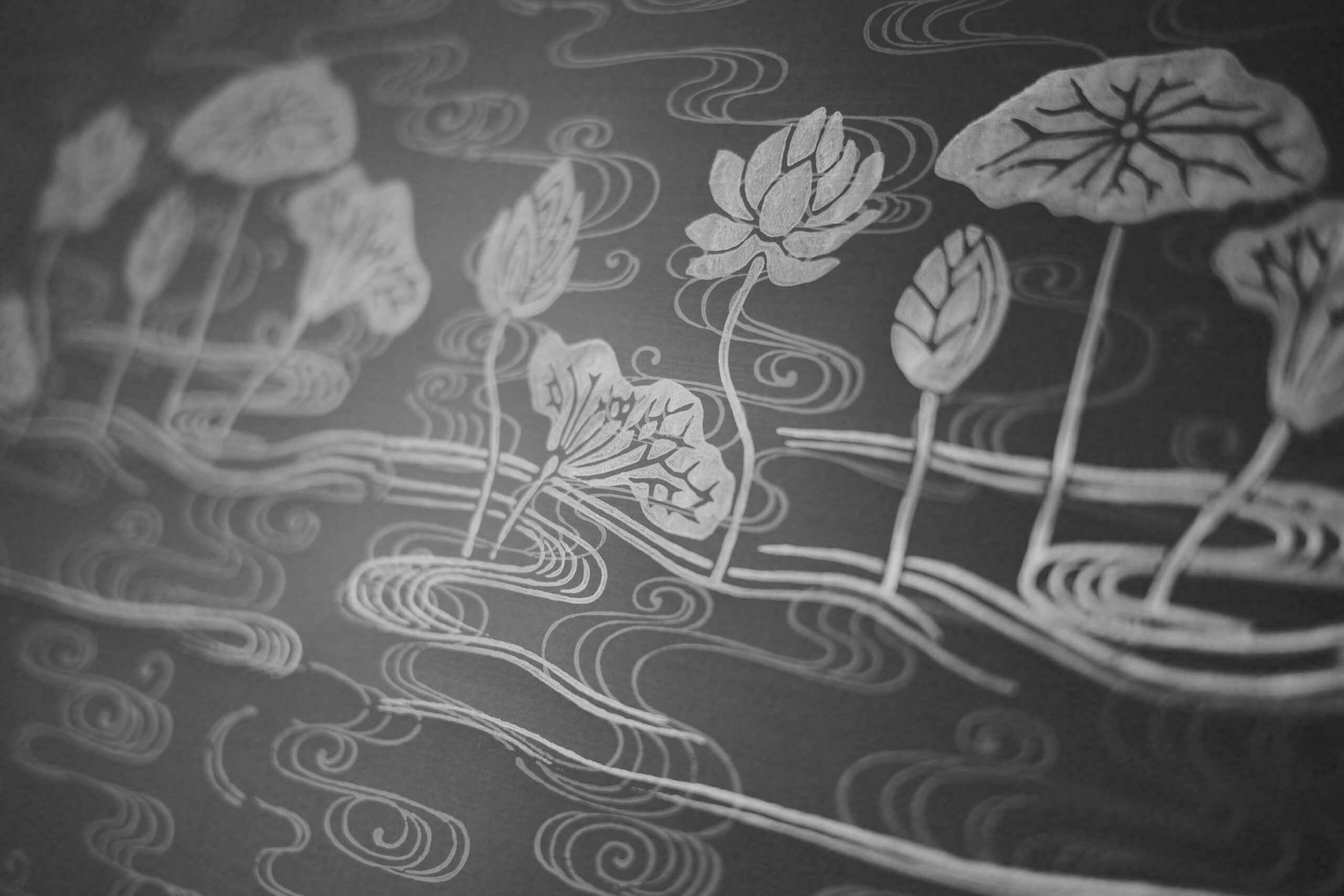
In 2023, “Universal Symphony,” a monumental 22-meter-long blue artwork, was presented at MIHO MUSEUM as part of the special spring exhibition “Prayer of Beauty: Universal Symphony,” marking the first time a work of this scale by Choemon Senda was exhibited at the museum as contemporary art.
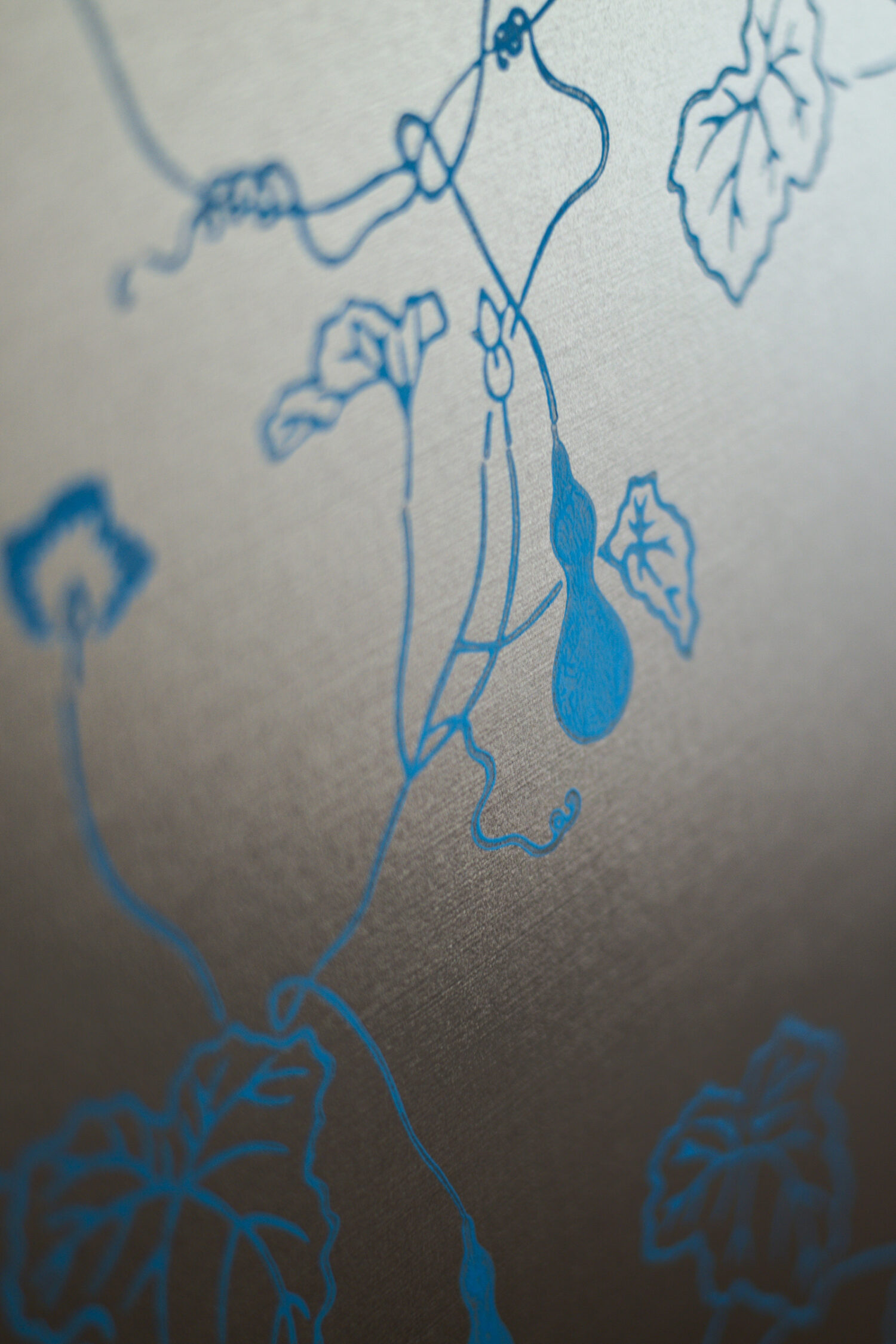
The sacred and profound world of blue created through Choemon Senda’s unique artistic technique is known as “Totoblue.” Conceived as a blue prayer bridging the artistic traditions of East and West, the work became a symbolic presence within the exhibition, resonating with its central theme of a prayer for beauty.
The title “Universal Symphony” was also adopted as the title of the exhibition itself, as it embodied the exhibition’s overarching concept. The exhibition welcomed tens of thousands of visitors from around the world.
- 2026.06.24Works of Art
Embassy of Ireland Donation Work Released
We have published Eternal Interlace, the artwork donated by Choemon Senda to the Embassy of Ireland in Japan in April 2026.
- 2026.06.24Update
Timeline Updated
The chronology pages for Karacho and Choemon Senda have been updated.
- 2026.05.29News
Featured in KYOTO MAGAZINE Issue 06
Karacho was featured in KYOTO MAGAZINE Issue 06 as part of the special feature commemorating the 400th anniversary of the Kan'ei Imperial Visit.
Official SNS
Instagram:@kyotomagazine X:@kyotomagazine
The Karakami Paper of Karacho
Karacho, founded in Kyoto in 1624, is the last remaining karakami atelier in Japan, continuing a tradition of over 400 years.
Today, the 13th generation is led by karakami artist Choemon Senda and Aiko Senda, who carry forward its history, tradition, and cultural legacy in Saga (Arashiyama), Kyoto.
Using hand-carved woodblocks passed down through generations, each work is created by hand, carrying an unseen presence and a quiet yet powerful spirit.
Today, Karacho continues to evolve—
from traditional craftsmanship to contemporary art, expanding its vision across ways of living.
Philosophy
We believe that karakami paper has the power to make people happy. Karacho karakami and the patterns that adorn it have a “presence” that quietly works its influence upon the heart while harboring people’s prayers to nature and all the gods and spirits.
Transcending the ages and traversing the world, it carries the hopes and dreams of the entirety of humanity, past and present. It is a treasure of Japanese esthetics and conveys the universal beauty of patterns.
It is the beauty of nature itself, manifested in a material form.
Gentle on the environment, both in the past and present, it is a sustainable mode of cultural inheritance.
Order
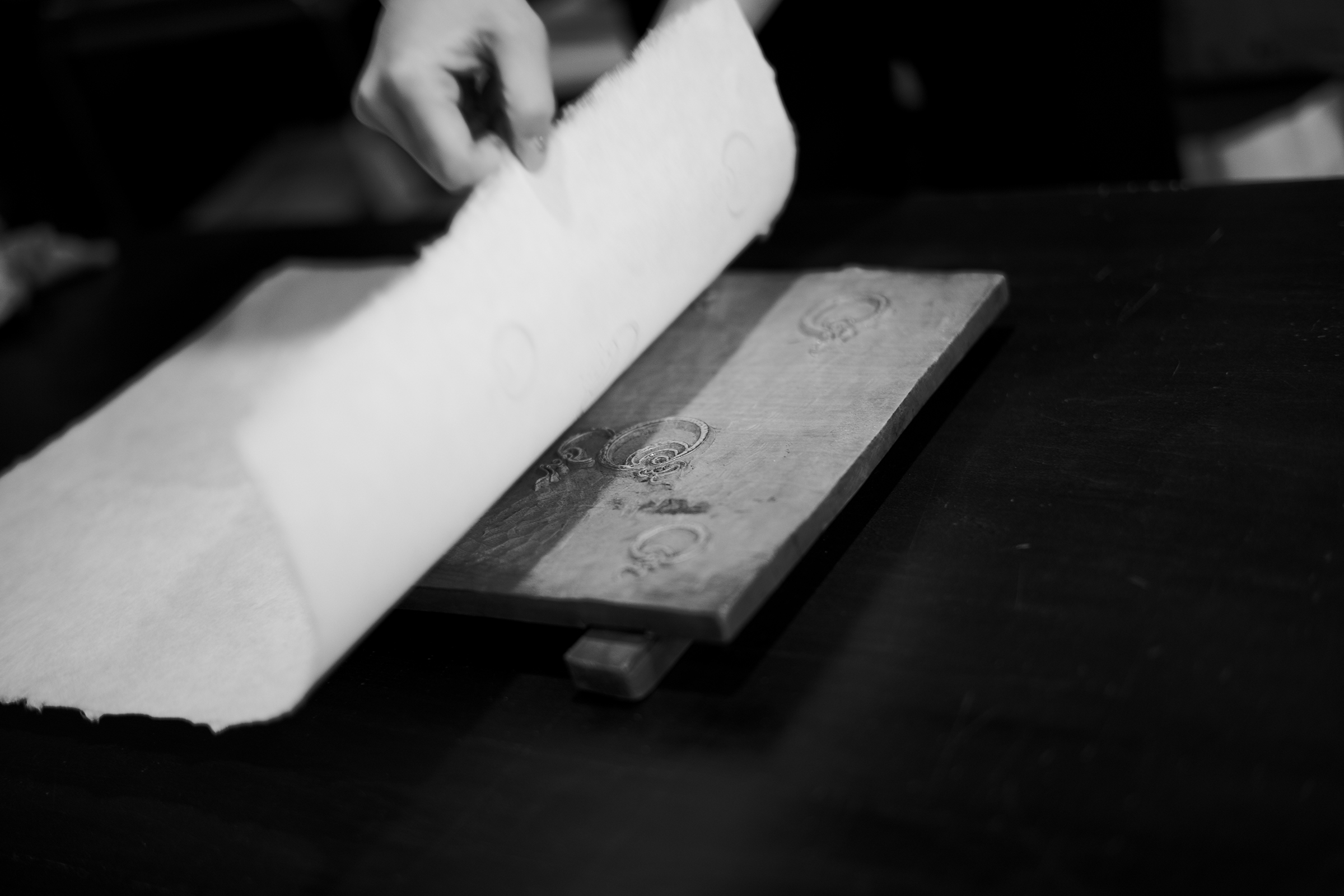
Starting with our kirazuri-style karakami made using traditional techniques, customers can expect karakami with a distinctive Karacho touch to fit environments both classic and modern, blending into Japanese and Western spaces alike.
Following consultations on the patterns and color schemes at our salon (by appointment only), we pour our hearts into each creation, making pieces perfectly customized for each customer. Our salon offers customers the unique experience of ordering karakami paper as they would a piece of haute couture.
Works
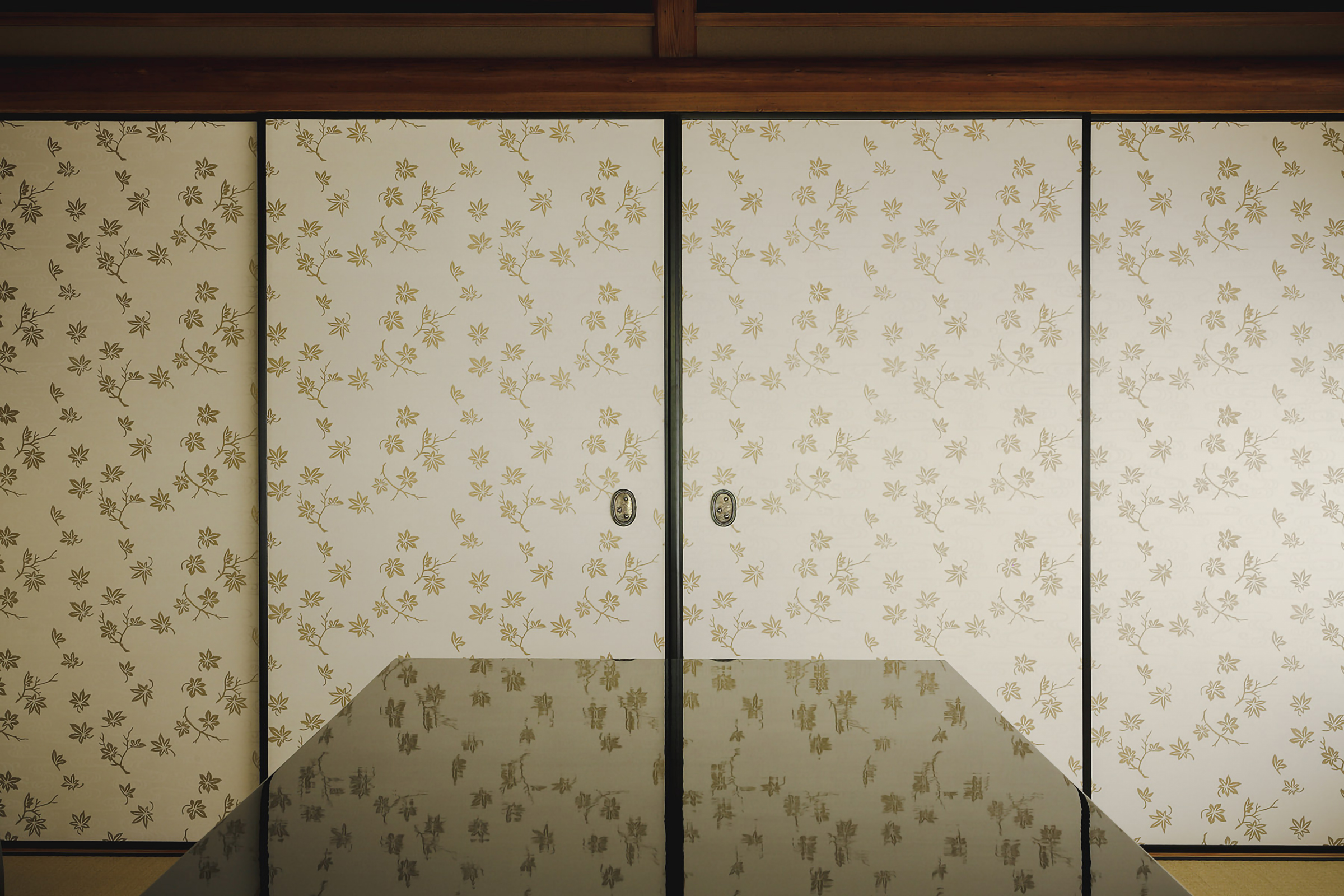
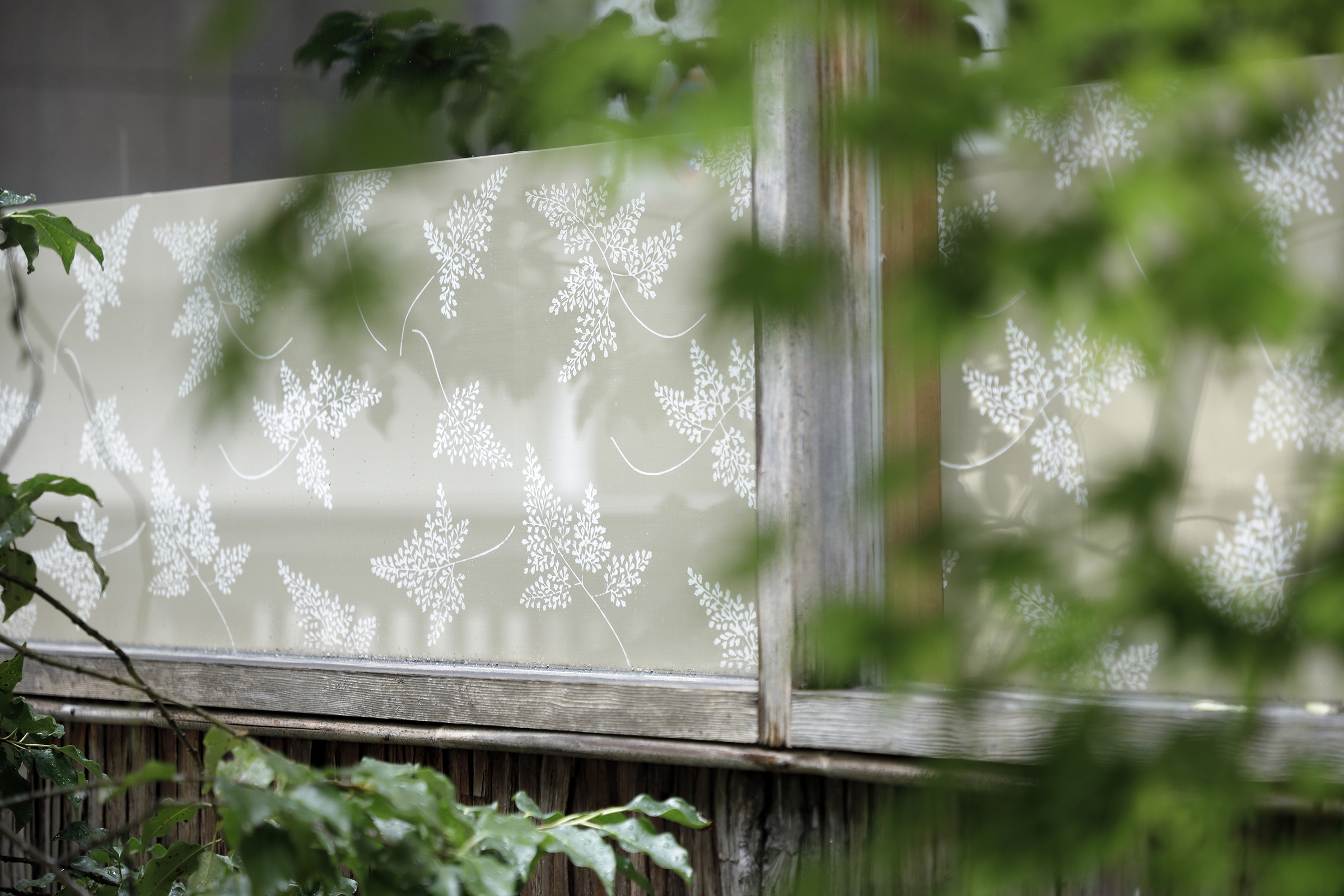
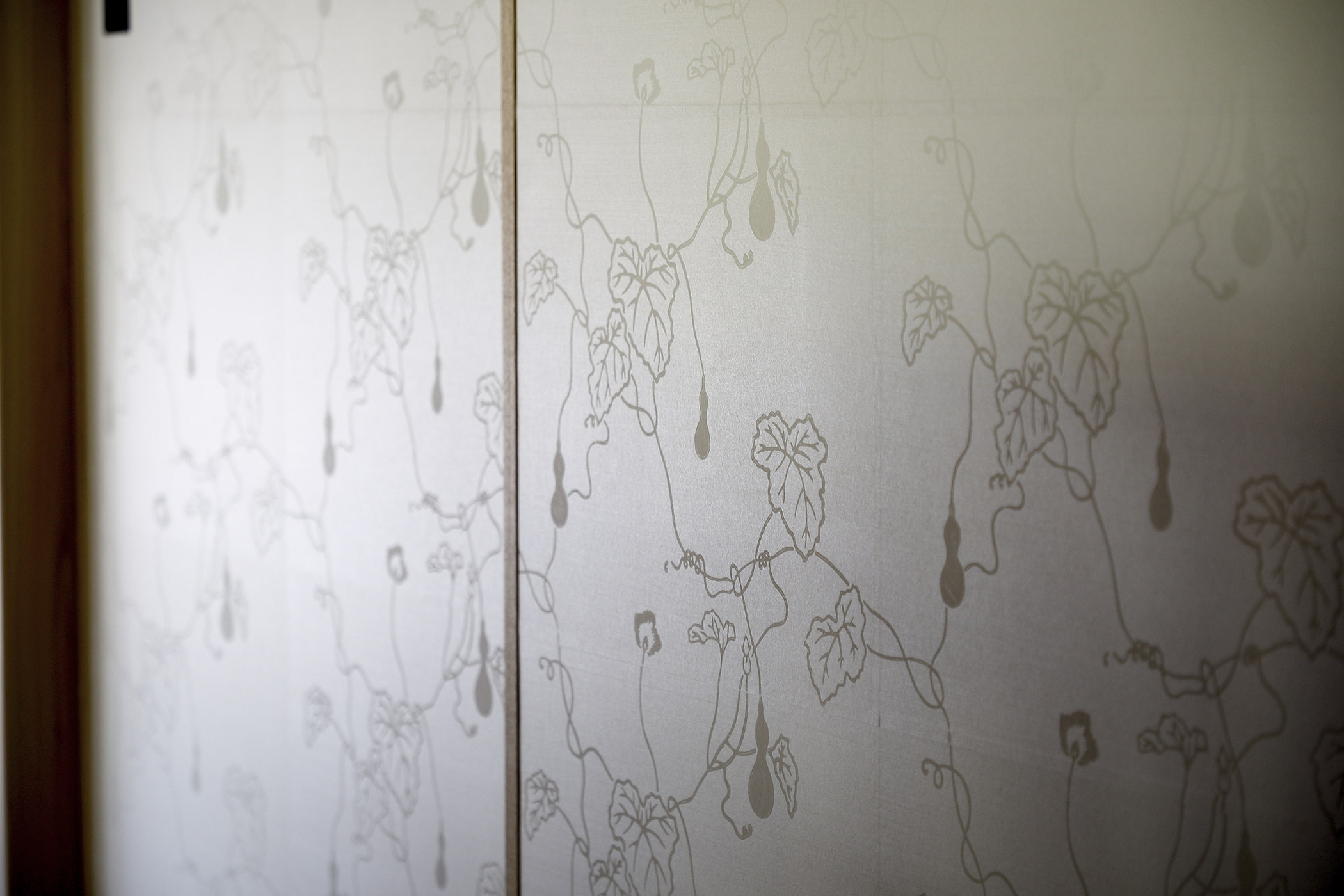
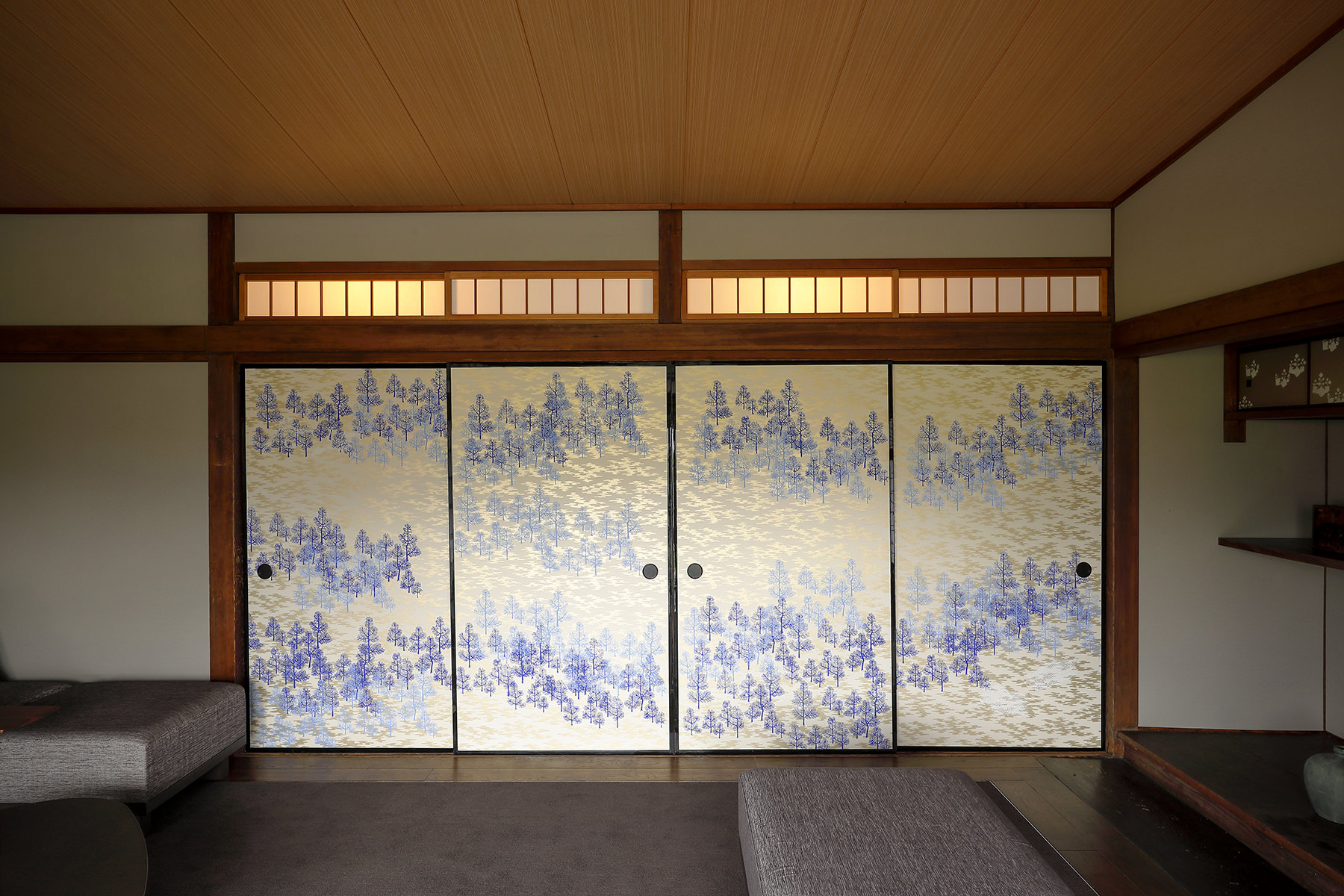
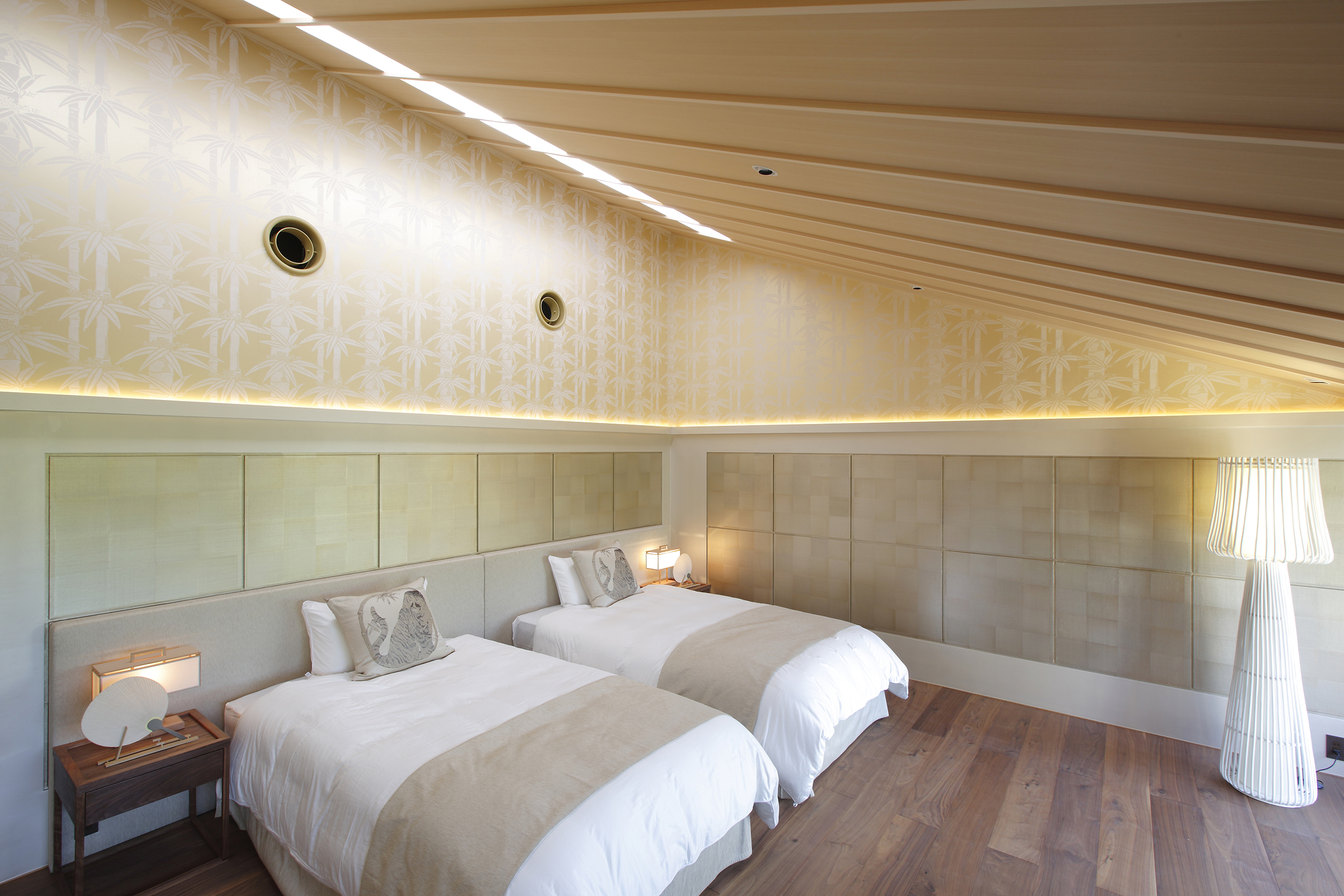
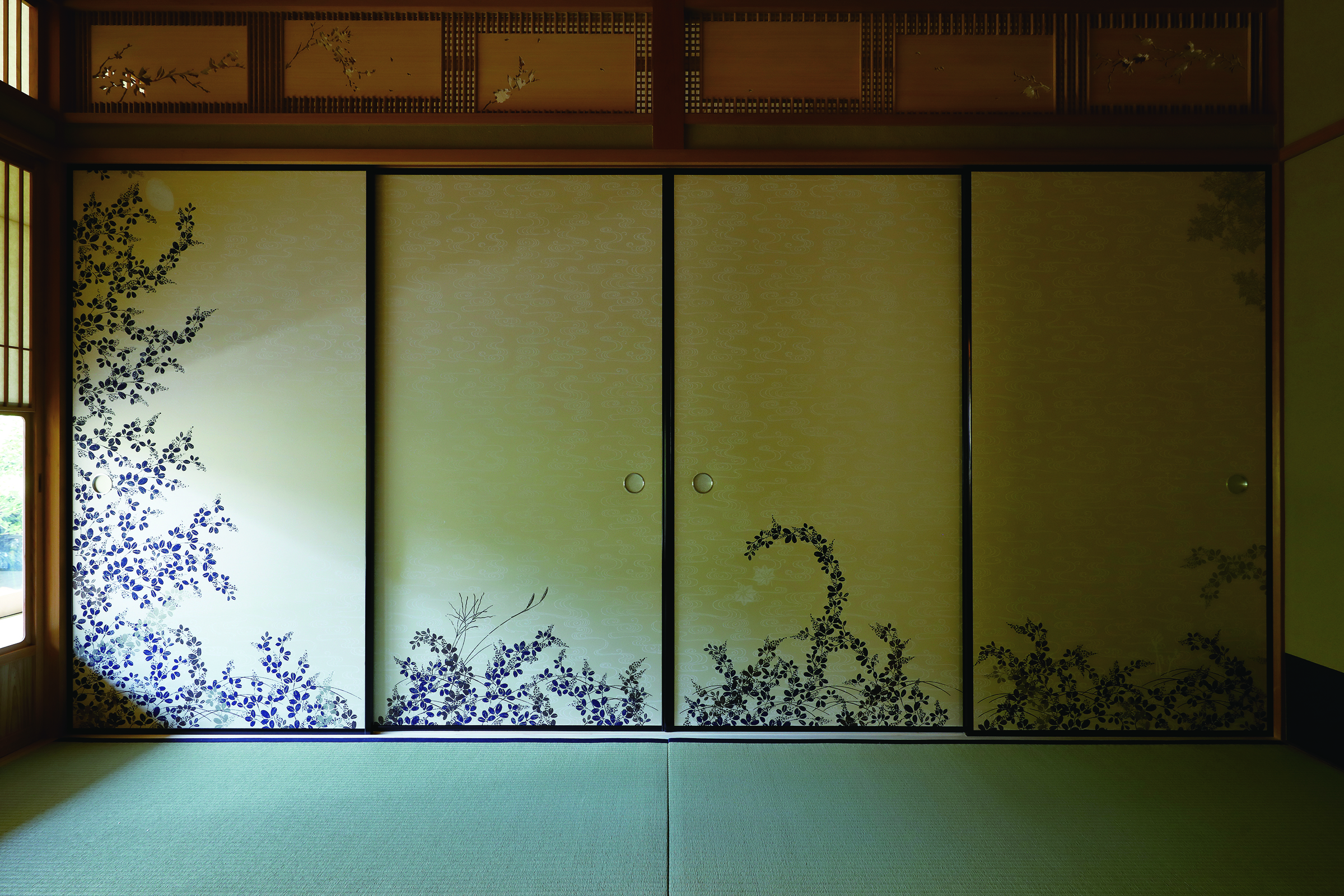
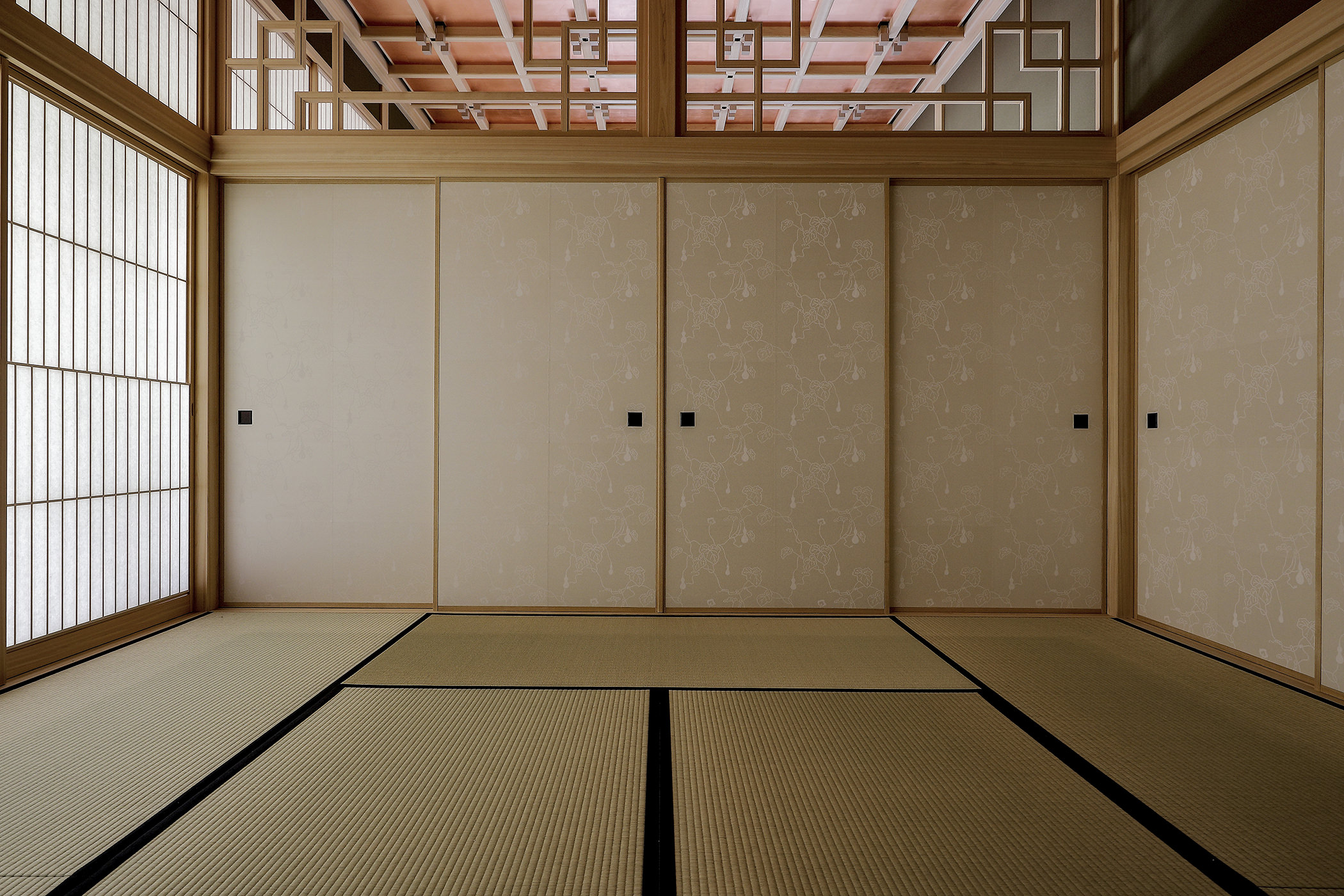
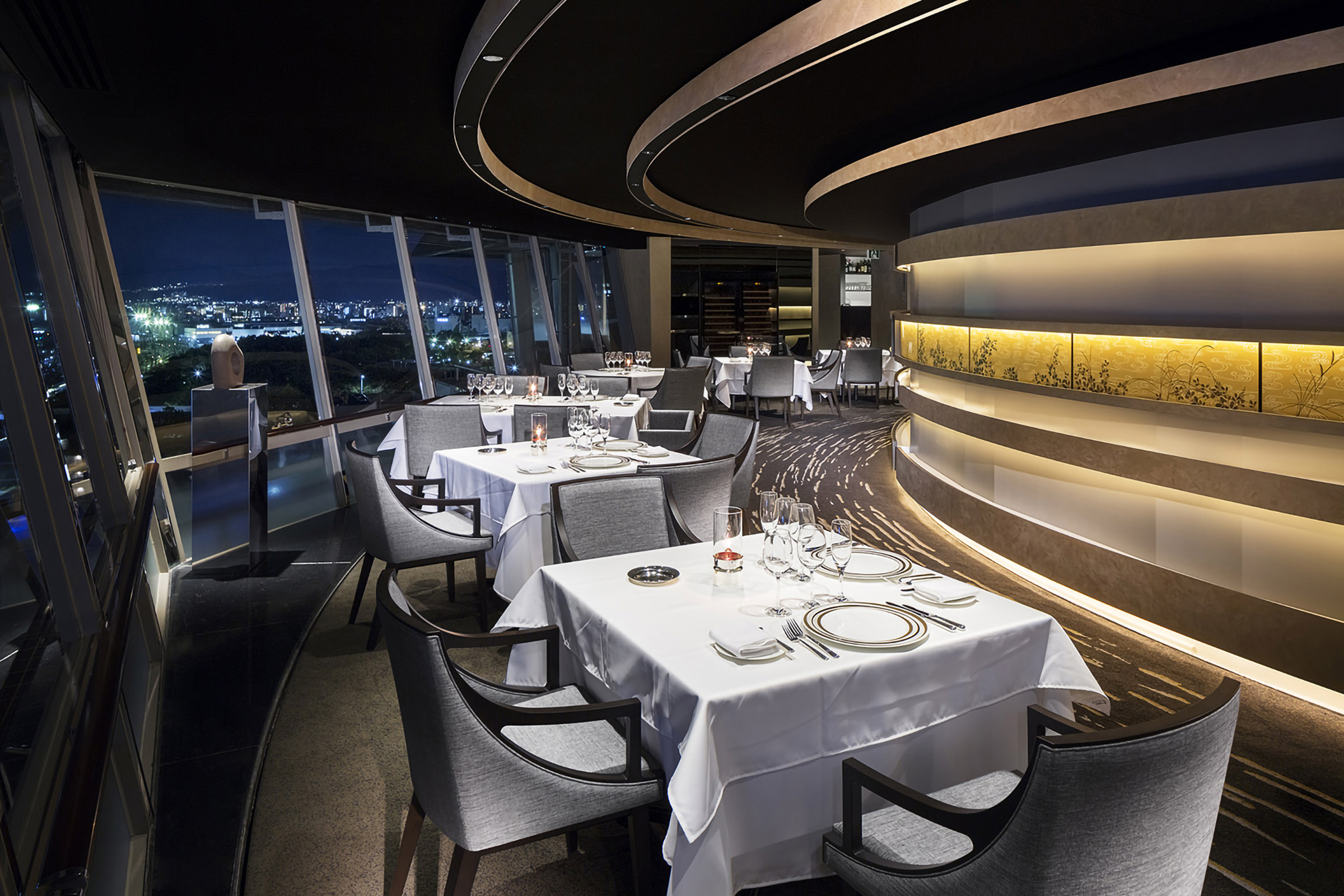
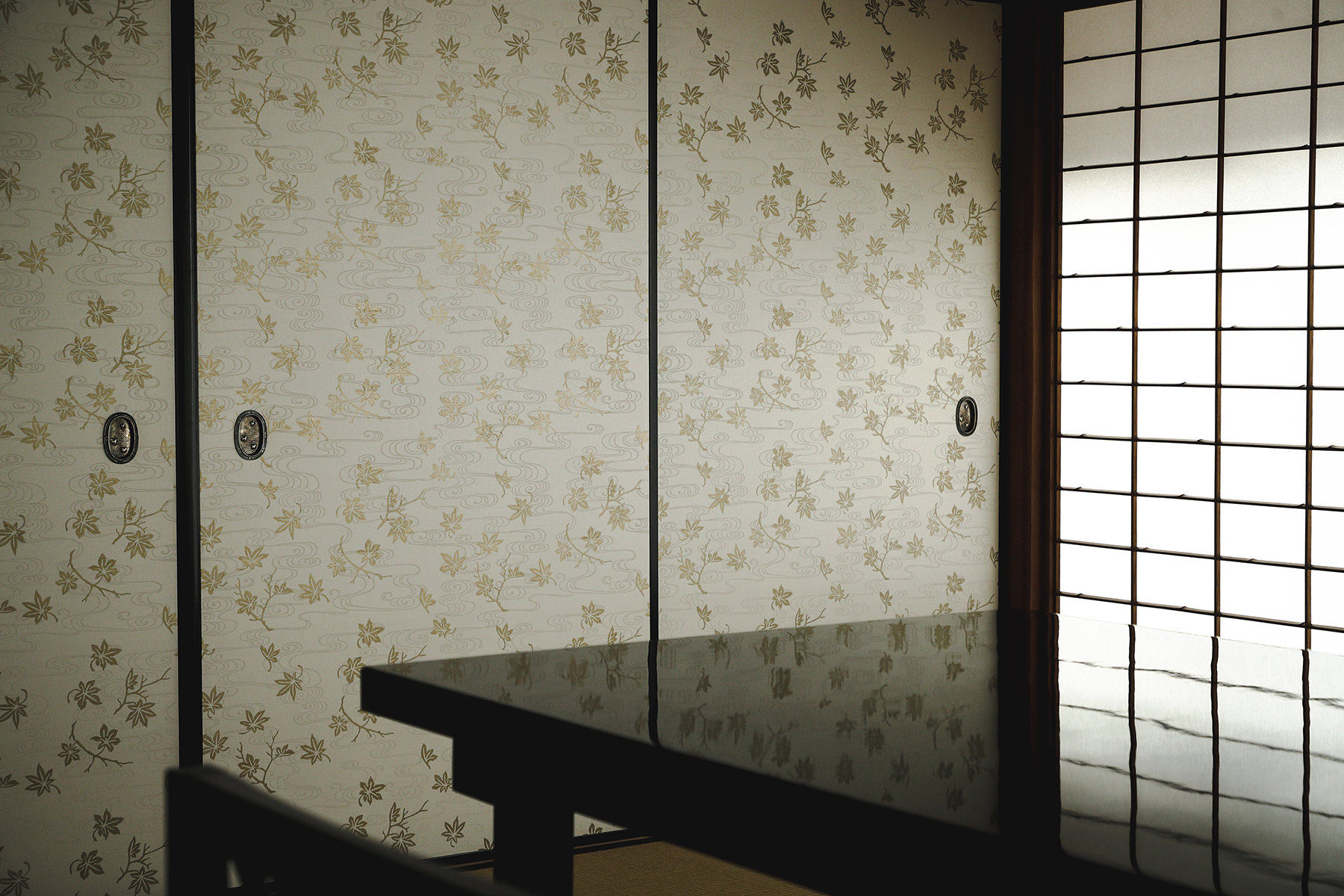
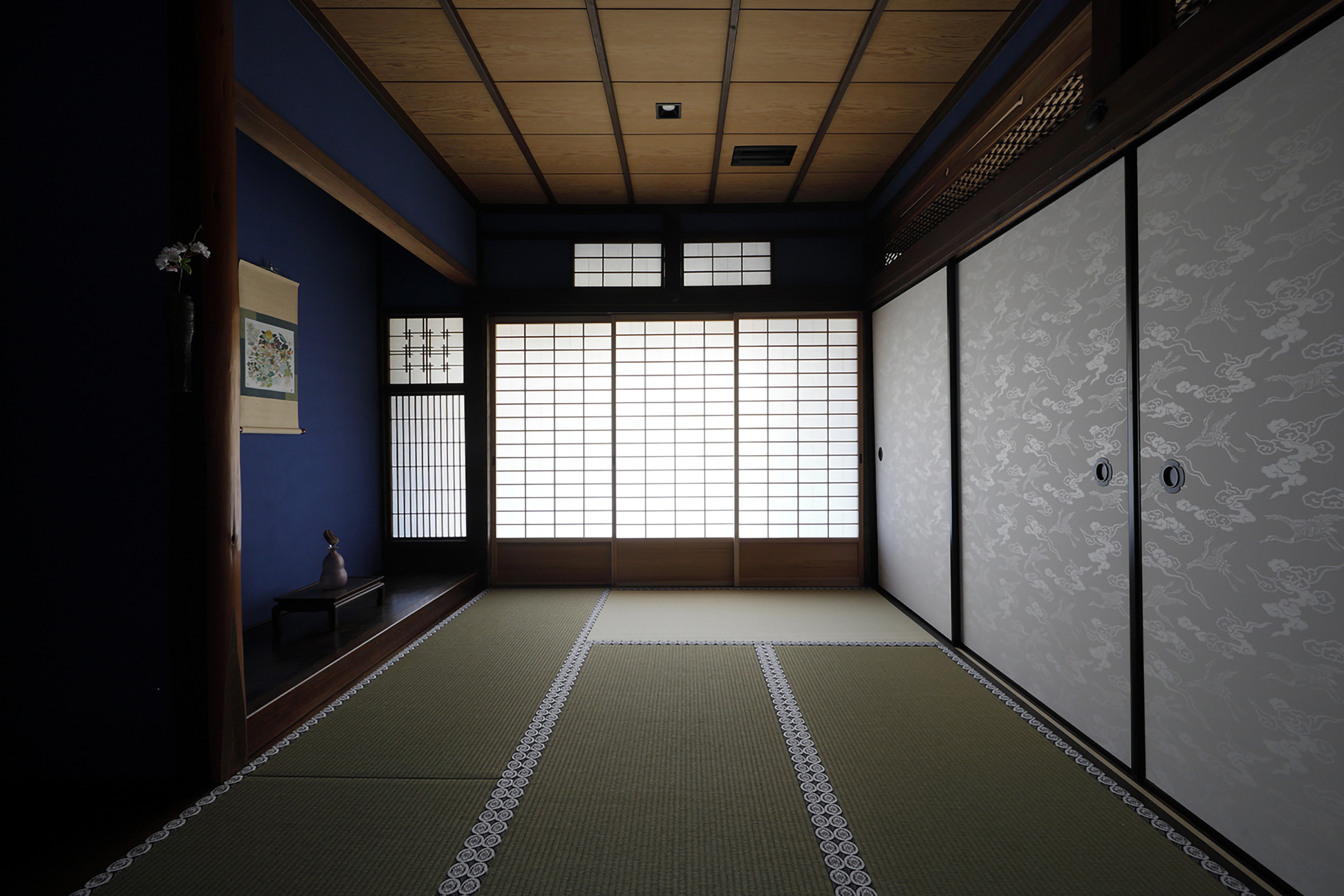
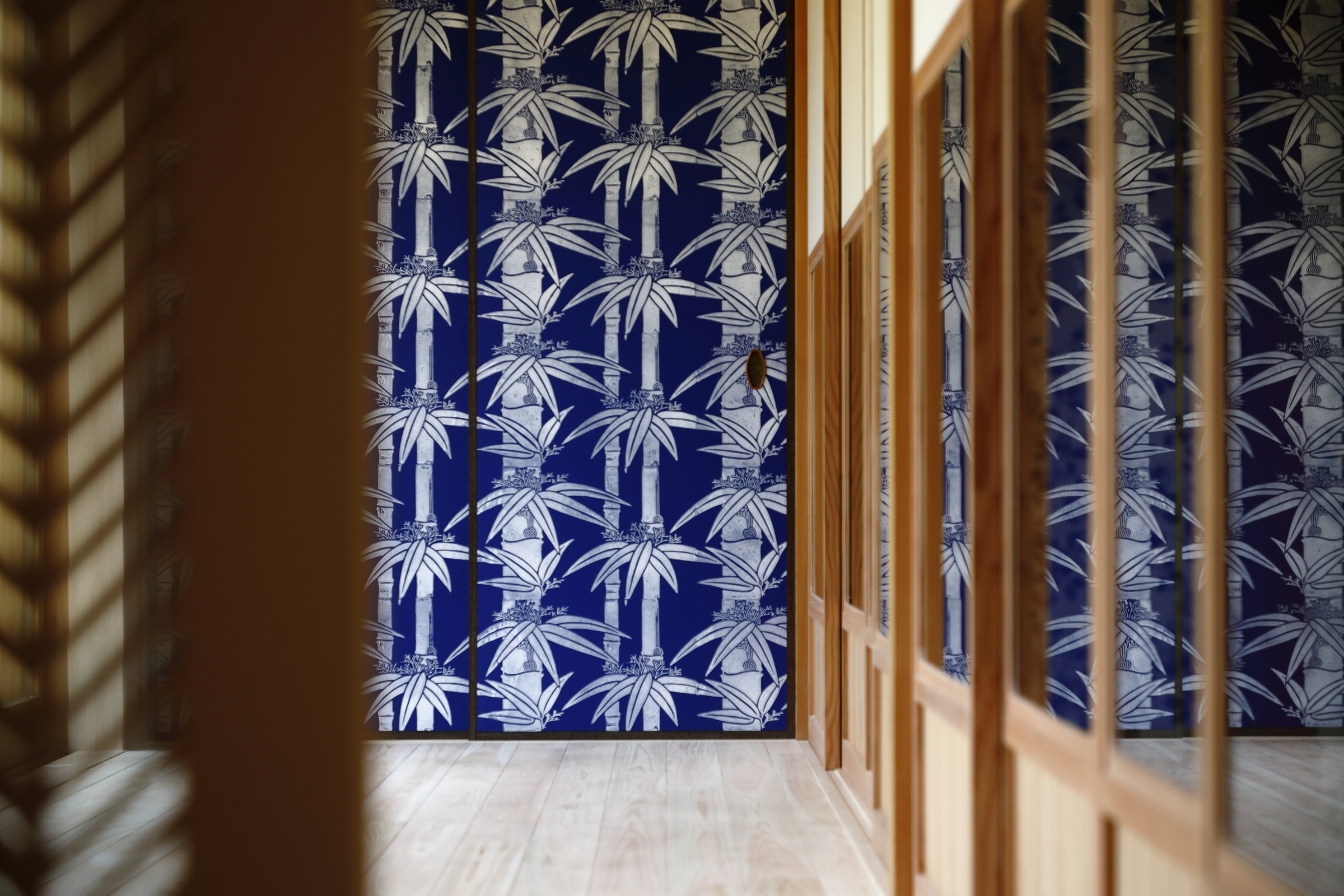
Karacho and Kira Karacho offer a variety of options for decorating contemporary spaces. Although times and fashions change, the karakami paper of Karacho has continuously been sought after over the 400 years of the studio’s existence and fits all manner of spaces, whether Japanese or Western.
From residential adornments such as fusuma sliding doors and wallpaper to karakami pieces and works of art in large spaces—such as public and commercial facilities as well as the restoration of cultural assets in shrines and temples—karakami paper adds a special esthetic to the decoration of spaces. This section presents some examples of karakami works in situ.
Collaboration
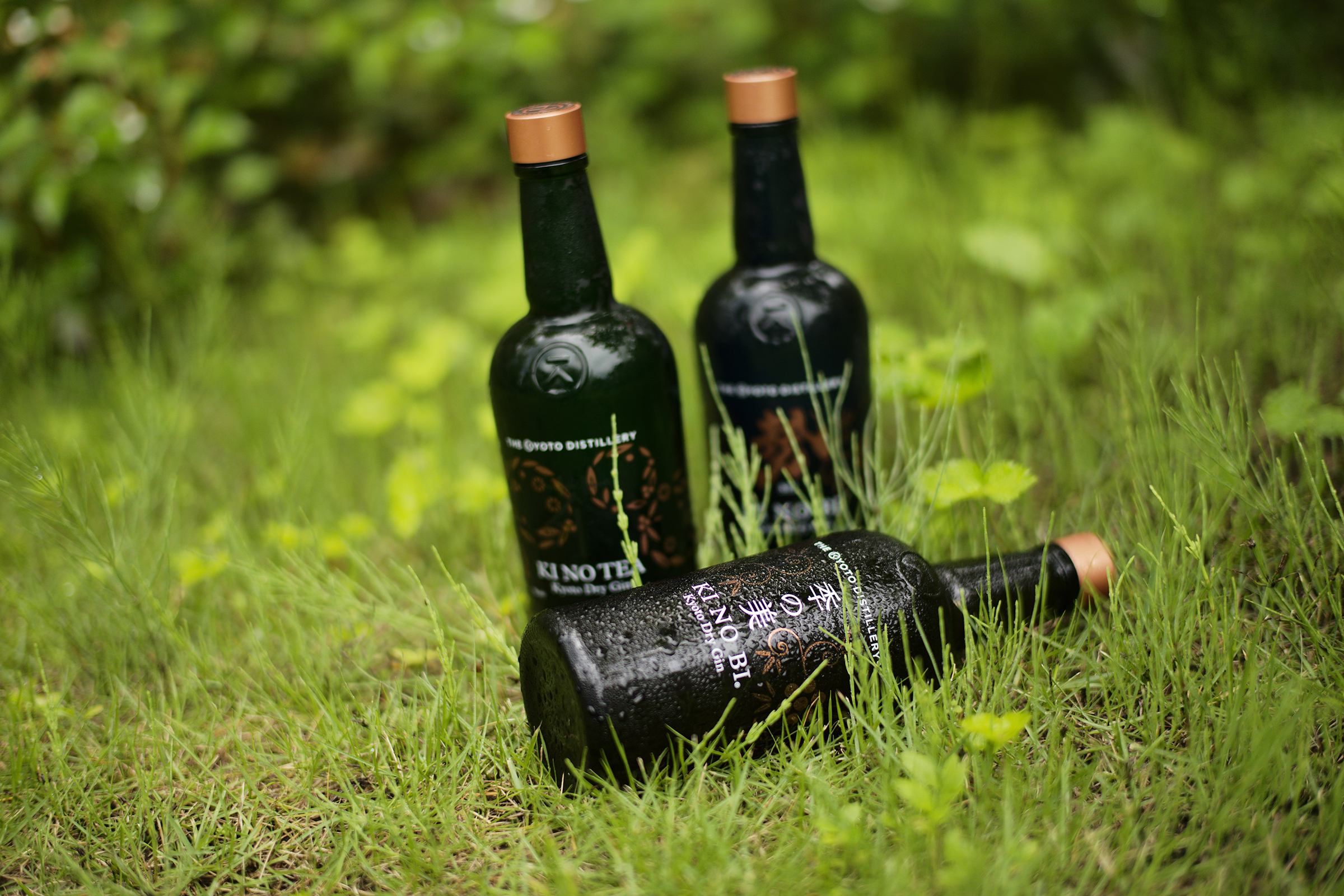
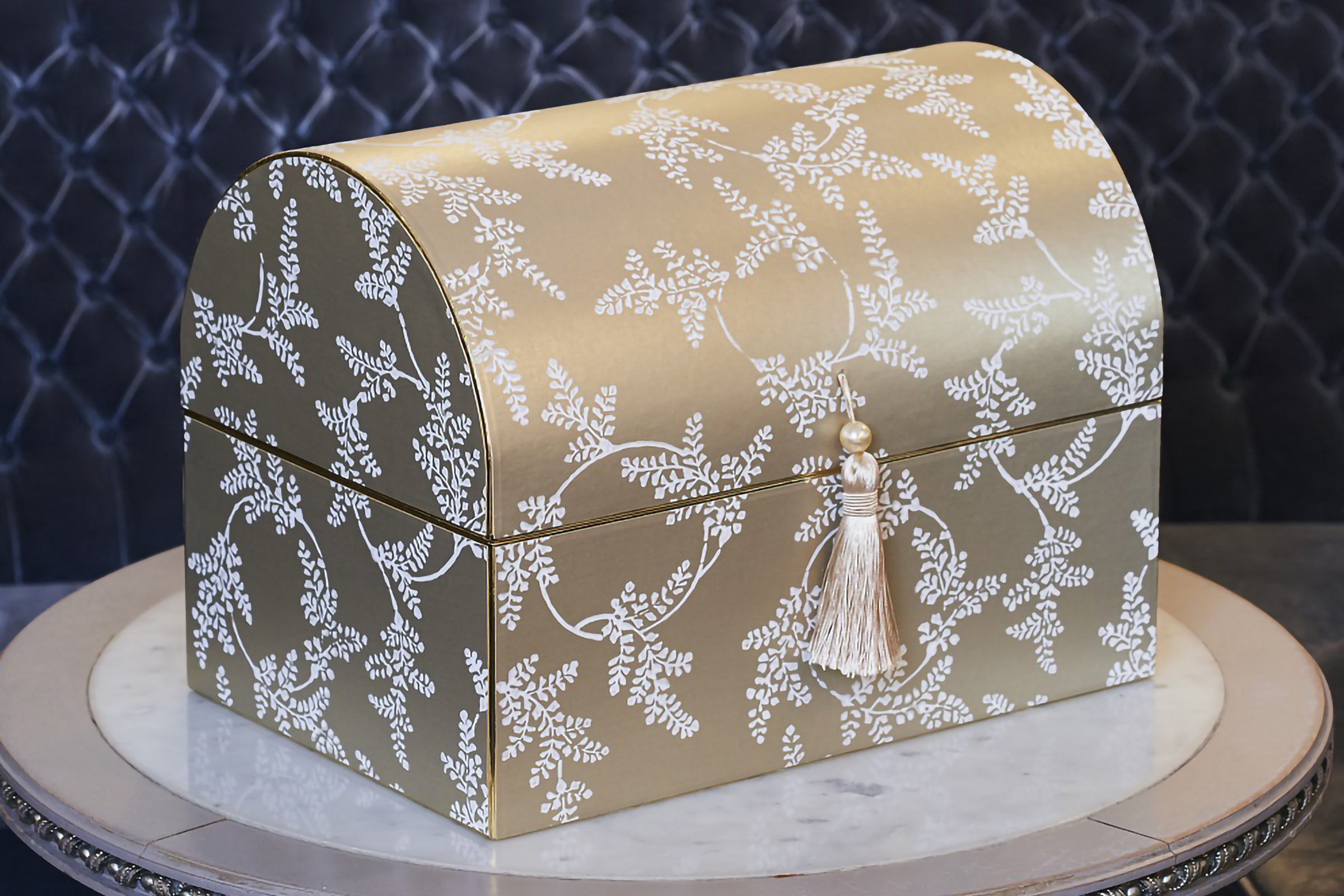
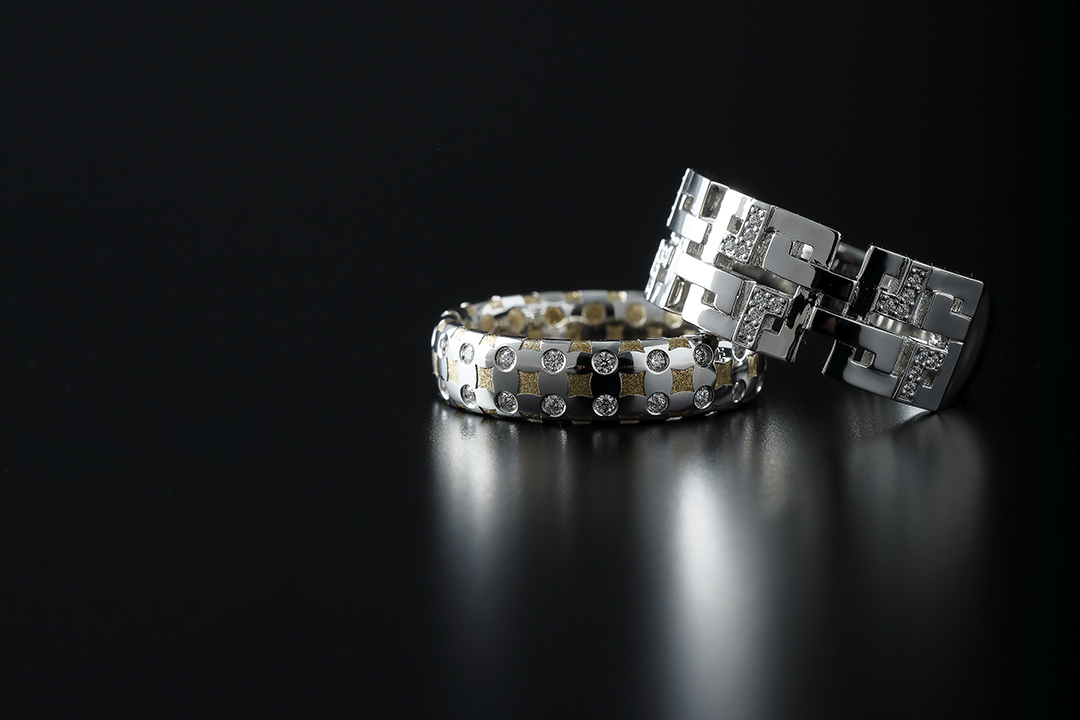
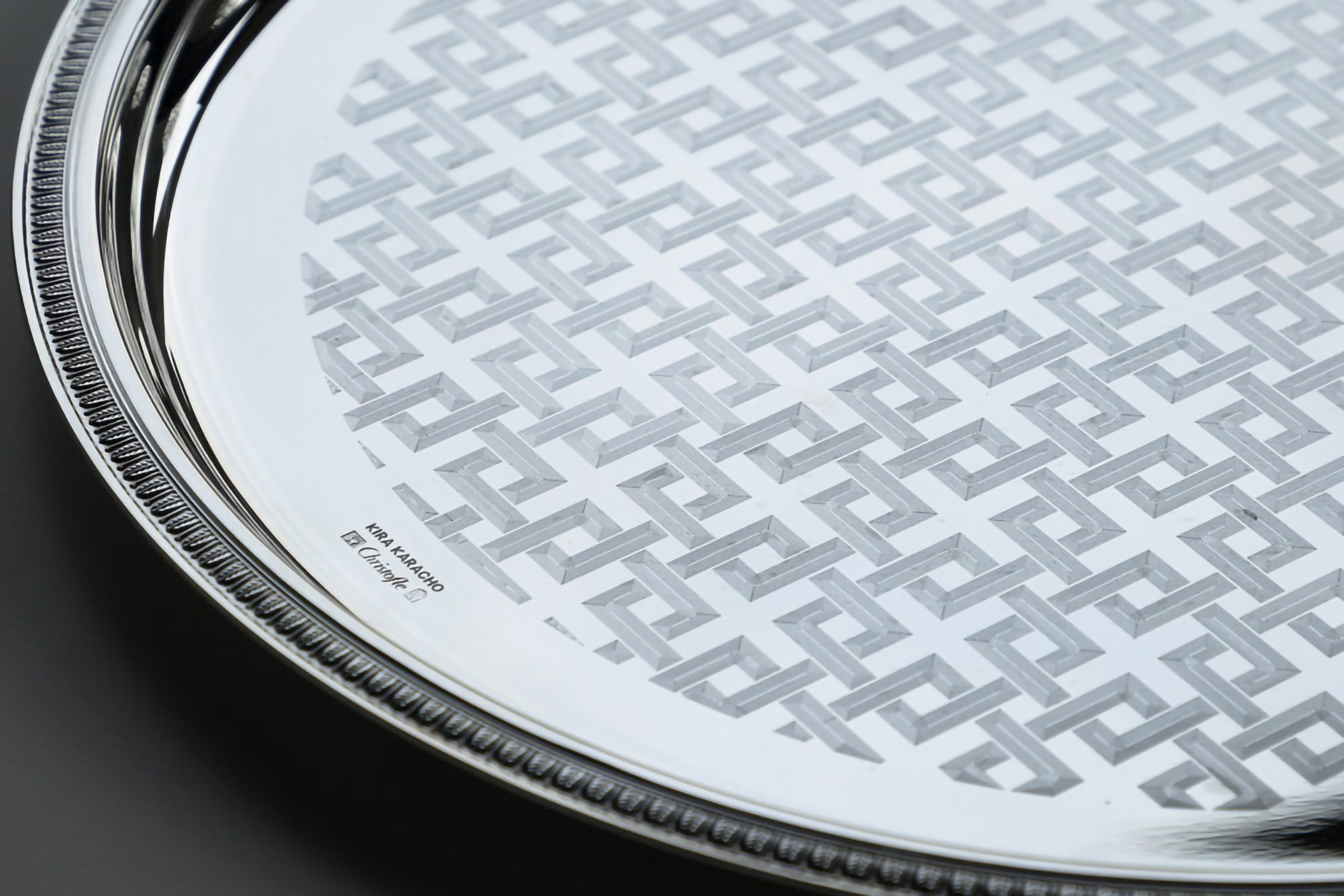
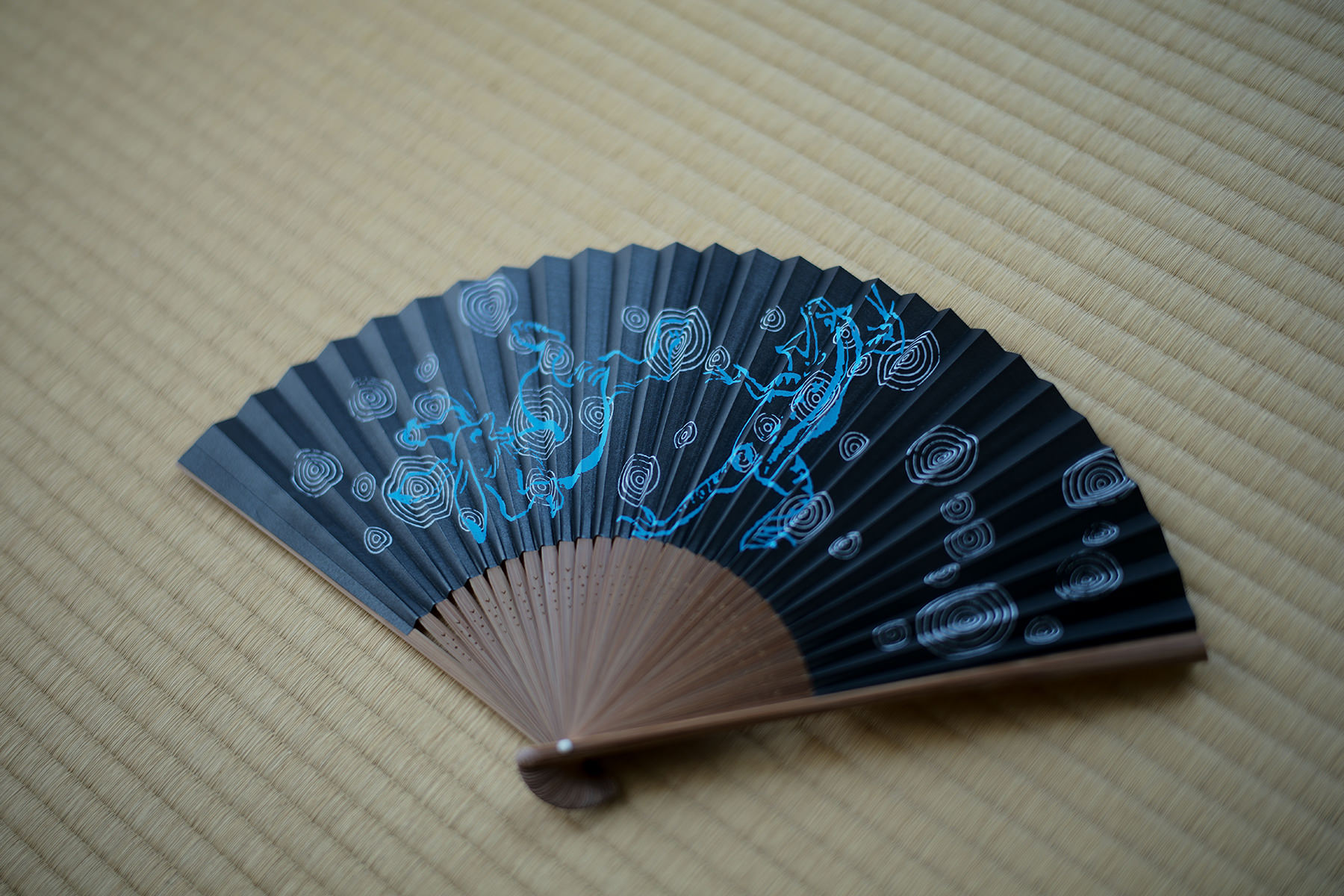
We are engaged in the development of various products using Karacho patterns, collaborating with multiple partners based on the concept of living with an esthetic sensitivity by incorporating art and one’s favorite things into everyday life.
